Trade entry routes in electrical, welding and plumbing, plus hand and power tools. From R1 529.
Skills programmes are the entry route into a trade for people with no trade background. Fundza Training Institute runs short tool courses at R1 529 each, and longer aide programmes in electrical, welding and plumbing at R10 802 each, which combine classroom theory with workshop time. Individual learners train at our centre in Mokopane. Companies book a group and we train on site, anywhere in South Africa.
These split into two very different things, and picking the wrong one is the usual mistake.
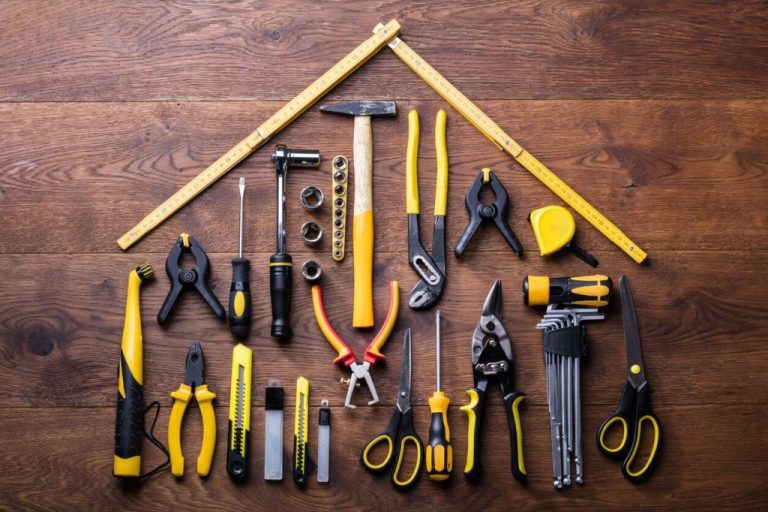
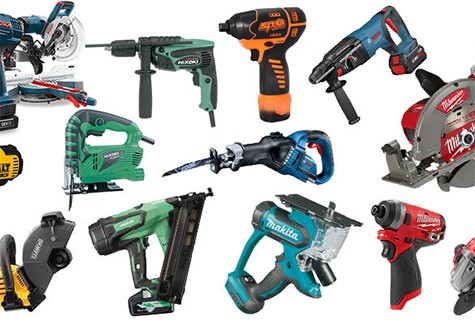
You already work on site and need to be signed off on tools. Hand Tools and Power Tool are two-day courses at R1 529 each. They certify safe selection and use of the tools you already handle. They are not a trade qualification and are not meant to be.
You want to start a trade from nothing. The aide programmes are the route: Electrical Aide, Welding Aide and Plumbing Aide, R10 802 each. They assume no background and prepare you to work as an assistant in that trade.
Which trade? Electrical suits people heading for plant, building services or maintenance work. Welding suits workshop and fabrication work. Plumbing suits building sites and maintenance contracting. They are assistant-level entries, not licensed trades.
You are an employer placing new staff. The tool courses certify people you already have. The aide programmes bring in people you do not, and are a much larger commitment in both time and fee, so they are usually booked for a small intake rather than a whole crew.
The short tool courses and the aide programmes, side by side.
| Programme | Duration | Fee | Who it is for |
|---|---|---|---|
| Hand Tools | 2 days | R1 529 | Site workers already using hand tools |
| Power Tool | 2 days | R1 529 | Site workers already using power tools |
| Electrical Aide | 2 weeks theory + 4 weeks | R10 802 | Entry-level learners heading for plant, building services or maintenance |
| Welding Aide | 2 weeks theory + 4 weeks | R10 802 | Entry-level learners heading for workshop and fabrication work |
| Plumbing Aide | 2 weeks theory + 4 weeks | R10 802 | Entry-level learners heading for building sites and maintenance contracting |
For site workers who use hand tools as part of their trade. Covers selecting the right tool, using it safely and checking its condition. See the course.
For site workers who select and operate power tools as part of their trade. The companion to Hand Tools, and the two are often booked together. See the course.
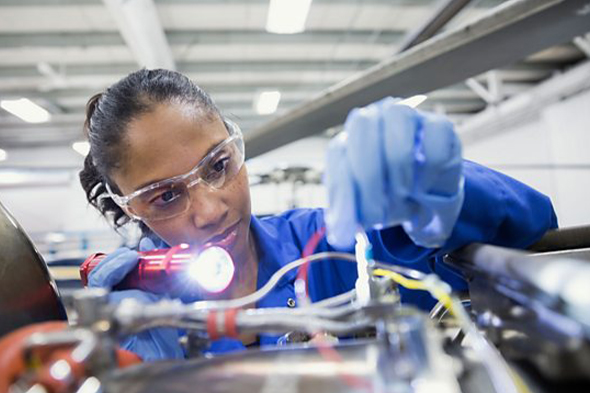
For entry-level learners with no electrical background who want to work as an electrical assistant. Two weeks of theory plus four weeks, combining classroom work with workshop time. See the course.
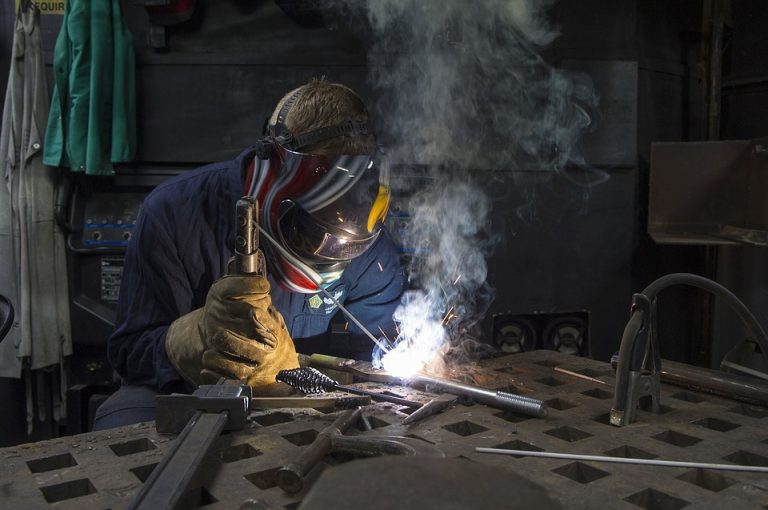
For entry-level learners who want to work as a welding assistant in a workshop or on site. Two weeks of theory plus four weeks, combining classroom work with workshop time. See the course.
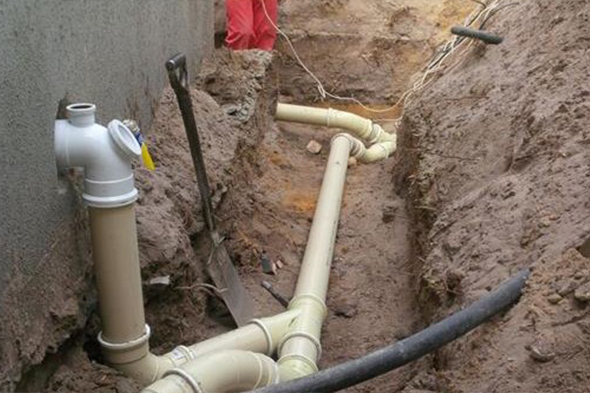
For entry-level learners who want to work as a plumbing assistant on site. Two weeks of theory plus four weeks, combining classroom work with workshop time. See the course.
A skills programme sits between a short course and a full trade qualification. A short course certifies something you can already do, or something you can be taught in two days. A trade qualification takes years. A skills programme is the step that gets someone with no background into paid work as an assistant, where the rest of the learning happens on the job.
That is why the aide programmes are structured differently from everything else on this site. They run far longer than the two-day certificates, they cost more, and they assume nothing. What they produce is someone who can be useful to a qualified tradesman from day one: an electrical assistant who understands what is being asked for, a welding assistant who can prepare and handle work safely, a plumbing assistant who can work on a site without being supervised through every step.
The tool courses do a narrower job. Sites and contractors are increasingly asked to show that the people using hand and power tools have been trained to use them, and that is what those certificates are for. They suit an existing workforce rather than a new entrant.
No. The aide programmes prepare you to work as an assistant in that trade. They are an entry route, not a licensed trade qualification, and they are shorter and cheaper than one.
The electrical, welding and plumbing aide programmes are written for entry-level learners with no background in that trade. Tell us what you have done before and we will confirm the fit before you book.
Neither depends on the other, and both run over two days at R1 529. If you handle both kinds of tool in your work, book them together. If you only use one, do that one.
That depends on where you are and what is being built near you. Electrical suits plant, building services and maintenance; welding suits workshops and fabrication; plumbing suits building sites and maintenance contracting. The aide programmes are assistant-level entries into trades that keep hiring.
Yes. Tell us how many people you are placing, which trade and where they are based, and we will come back with dates and a quotation. We train groups on site anywhere in South Africa. How on-site training works.



WhatsApp us